Get Home Automation Installation
Home automation installation services help property owners enhance convenience, security, and control by integrating smart devices like lighting, thermostats, security systems, and more.
Home automation installation services offer property owners a practical way to enhance comfort, convenience, and energy efficiency within their homes. Whether considering a comprehensive smart home system or integrating specific automated features, planning a project carefully can help ensure the best results. Exploring local contractors who specialize in home automation allows property owners to compare options, understand different approaches, and find solutions tailored to their needs.
By working with experienced service providers in the area, property owners can access a range of expertise and solutions suited to various home types and preferences. Taking the time to research and connect with local professionals helps ensure the installation process aligns with individual goals and property requirements. Keep reading to discover how local contractors can assist with planning and implementing home automation systems effectively.
- Smart Home Integration - when homeowners want to connect multiple devices for seamless control and automation.
- Lighting Automation - for those looking to enhance convenience and energy efficiency through automated lighting systems.
- Security System Installation - when individuals seek to secure their property with automated surveillance and access controls.
- Thermostat and Climate Control - for residents aiming to optimize comfort and reduce energy usage with smart temperature management.
- Voice-Activated Home Systems - when clients want hands-free control of their home automation features through voice commands.
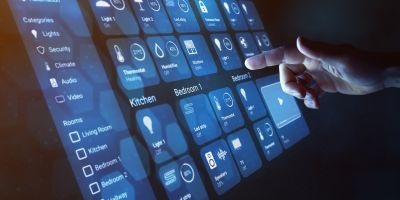
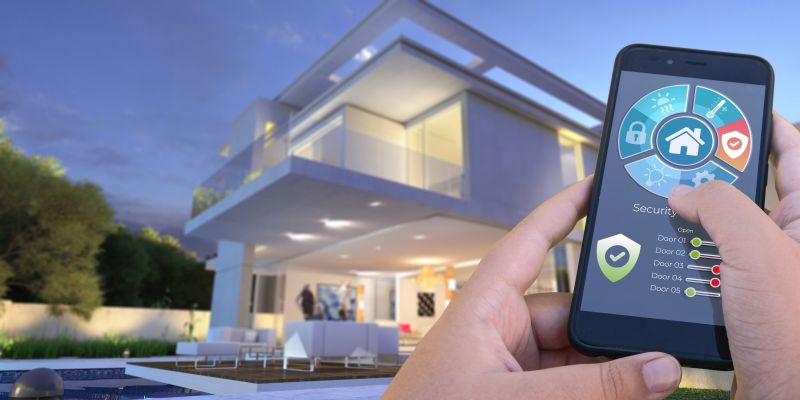
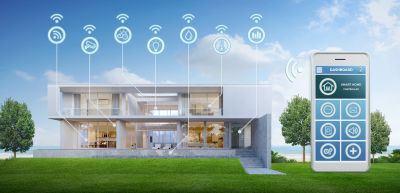
Home automation installation services involve setting up smart systems that allow homeowners to control various household functions through centralized devices or mobile apps. These systems can include smart lighting, thermostats, security cameras, door locks, and audio or video equipment. Professional installers ensure that all components are correctly integrated, functioning seamlessly, and tailored to the specific needs of the property. This service helps create a more connected and convenient living environment, making daily routines easier and more efficient.
One of the primary benefits of home automation installation is addressing common household problems such as energy waste, security concerns, and the inconvenience of manual controls. Automated lighting can reduce electricity usage by scheduling or remote control, while smart thermostats help maintain comfortable temperatures efficiently. Security systems with remote monitoring provide peace of mind, enabling homeowners to keep an eye on their property from anywhere. Additionally, automation can simplify daily tasks, like adjusting blinds or managing entertainment systems, saving time and reducing hassle.
Home automation services are typically used in a variety of property types, including single-family homes, condominiums, and multi-unit residences. These systems are suitable for homeowners seeking increased convenience, improved security, or energy savings. Larger properties or those with multiple levels often benefit from integrated automation solutions that can be centrally managed. Even smaller spaces can be enhanced with basic smart device setups, making home automation accessible for different property sizes and lifestyles.
Homeowners who notice issues such as outdated wiring, difficulty managing multiple devices, or a desire for a more modern, connected home might consider professional automation installation. Properties that are undergoing renovations or new constructions are also ideal candidates for integrating smart systems from the start. By working with local contractors experienced in home automation, homeowners can ensure their systems are installed correctly, optimized for their specific property, and capable of expanding as needs evolve.
The overview below groups typical Home Automation Installation projects into broad ranges so you can see how smaller, mid-sized, and larger jobs often compare in your area.
In many markets, a large share of routine jobs stays in the lower and middle ranges, while only a smaller percentage of projects moves into the highest bands when the work is more complex or site conditions are harder than average.
Smaller Repairs - Basic upgrades or repairs to existing home automation systems typically cost between $250 and $600. Many routine jobs fall within this range, covering tasks like fixing or replacing individual components.
System Upgrades - Upgrading or expanding an existing automation setup usually ranges from $600 to $2,000. These projects often involve adding new features or integrating additional devices and are common for many homeowners.
Full Installation - Installing a new home automation system from scratch generally costs between $2,000 and $5,000. Larger, more complex projects can exceed this range, especially with custom integrations or multiple zones.
Custom or Large-Scale Projects - Extensive automation systems for large homes or commercial spaces can reach $5,000 or more. These projects are less common and often involve detailed planning and specialized equipment.
Actual totals will depend on details like access to the work area, the scope of the project, and the materials selected, so use these as general starting points rather than exact figures.
Smart Lighting Installation - local contractors can set up automated lighting systems that enhance energy efficiency and convenience in residential spaces.
Home Theater Setup - professionals skilled in wiring and audio-visual equipment can create integrated entertainment systems similar to home automation projects.
Security System Integration - local service providers can install and configure smart security cameras and alarm systems that connect seamlessly with home automation platforms.
Voice Control System Installation - experts can set up voice-activated assistants and control hubs that enable hands-free management of smart devices.
Networking and Wi-Fi Optimization - technicians can ensure robust network infrastructure necessary for reliable operation of connected home automation devices.
Electrical System Upgrades - skilled electricians can handle wiring and power requirements for integrating various smart home components safely and efficiently.
When comparing service providers for home automation installation, it’s important to evaluate their experience with similar projects. A contractor’s background working on homes with comparable systems can provide insight into their familiarity with the technology and installation process. Homeowners should inquire about the types of automation systems the pros have installed and whether they have successfully handled projects of a similar scope and complexity. This helps ensure that the chosen professional has the practical knowledge needed to deliver a smooth and effective installation.
Clear written expectations are essential for a successful project. Homeowners should seek service providers who can offer detailed descriptions of their services, including what is included and what is not. Having a transparent understanding of the process helps prevent misunderstandings and ensures everyone is aligned on the project’s goals. Reputable local contractors are often willing to provide written estimates or proposals that outline the scope of work, materials, and any other relevant details, fostering clarity and confidence in the selection process.
Good communication and reputable references are key factors to consider when choosing a home automation installer. Service providers who are responsive and willing to answer questions demonstrate professionalism and a commitment to customer satisfaction. Additionally, asking for references from previous clients can provide valuable insights into the contractor’s reliability, work quality, and ability to meet expectations. While the site introduces homeowners to local options, it’s important to remember that it does not perform the work itself; selecting a trusted and well-reviewed local contractor can help ensure a positive and successful automation installation experience.
Property owners use Home Automation Installation services for practical projects around their homes and businesses. This guide focuses on everyday jobs and straightforward project options.
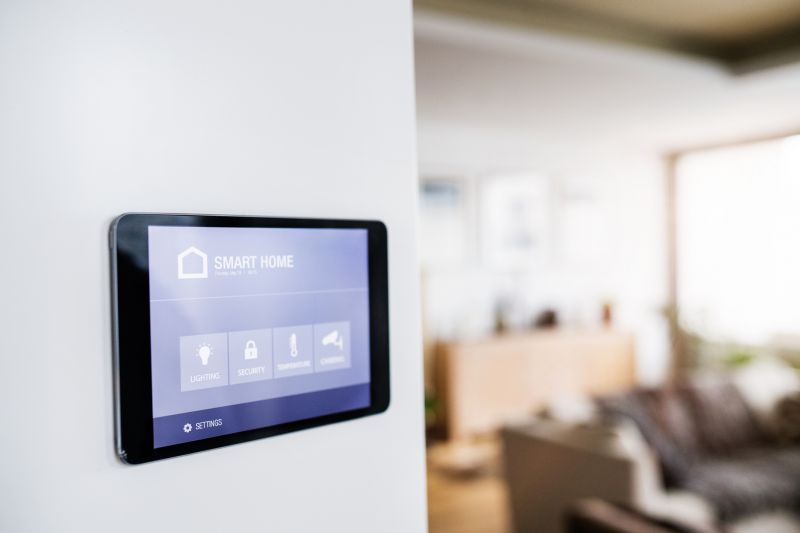
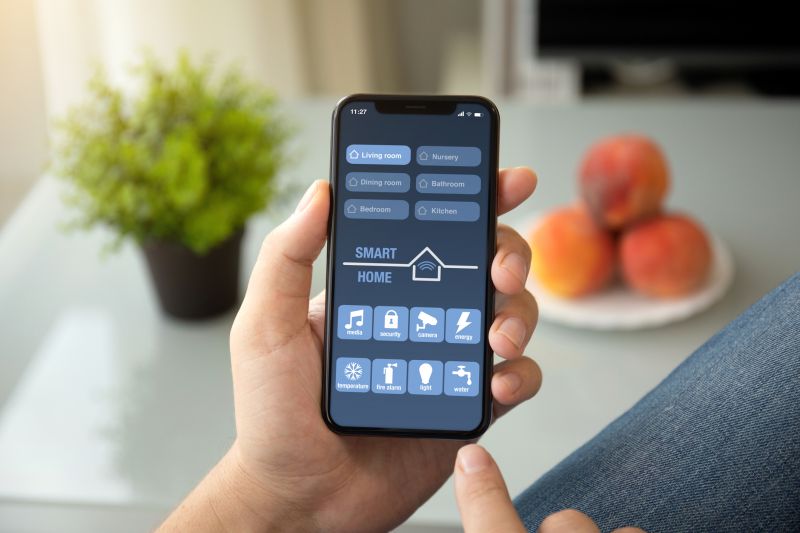
Homeowners in the area often seek home automation installation services to enhance convenience and streamline daily routines. Whether upgrading a single room or outfitting an entire property, property owners may want to control lighting, climate, or security systems remotely or through integrated devices. Local contractors can assist with these projects, helping residents create a more connected and efficient living environment with simple automation solutions.
Many property owners look for home automation services when they want to improve energy management or increase home security. Installing smart devices can make everyday tasks easier, such as adjusting thermostats or monitoring security cameras from a smartphone. Local service providers are available to handle these installations, offering tailored solutions that fit the specific needs of each property.
What types of home automation systems can local contractors install? Local service providers can install a variety of systems including smart lighting, thermostats, security cameras, door locks, and whole-home automation setups tailored to individual needs.
Are home automation installation services suitable for all types of homes? Yes, local contractors typically work with different home styles and sizes, providing solutions that fit both new constructions and existing residences.
How do local pros ensure the proper integration of home automation devices? Service providers assess the home's existing wiring and infrastructure to ensure compatibility and seamless integration of automation components.
Can local contractors help upgrade existing home automation systems? Yes, many service providers offer upgrades and expansions to existing systems to enhance functionality and incorporate new technologies.
What should be considered when planning for home automation installation? It’s important to evaluate the specific needs, compatibility of devices, and the desired level of automation to determine the best solutions with the help of local service providers.
Smart Lighting Control - Automate indoor and outdoor lighting to enhance convenience and energy efficiency in everyday activities.
Home Security Integration - Install smart security systems that allow property owners to monitor and manage their home security remotely.
Climate Management - Set up automated thermostats and climate controls to maintain comfortable temperatures with minimal effort.
Voice-Activated Systems - Incorporate voice control for various devices to simplify daily routines and improve accessibility.
If you are thinking about Home Automation Installation for a property, this guide is meant to help you understand the work, the typical project types, and how different options might fit your plans.
When you are ready, you can use the quote form on this page to share a few details about your project. From there, local pros can review the basics and respond with options that match what you have in mind.