Electrical Inspection Services for Safe and Reliable Power
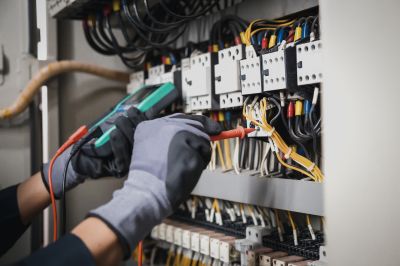
Technicians thoroughly examine electrical panels to ensure proper wiring, grounding, and component integrity.
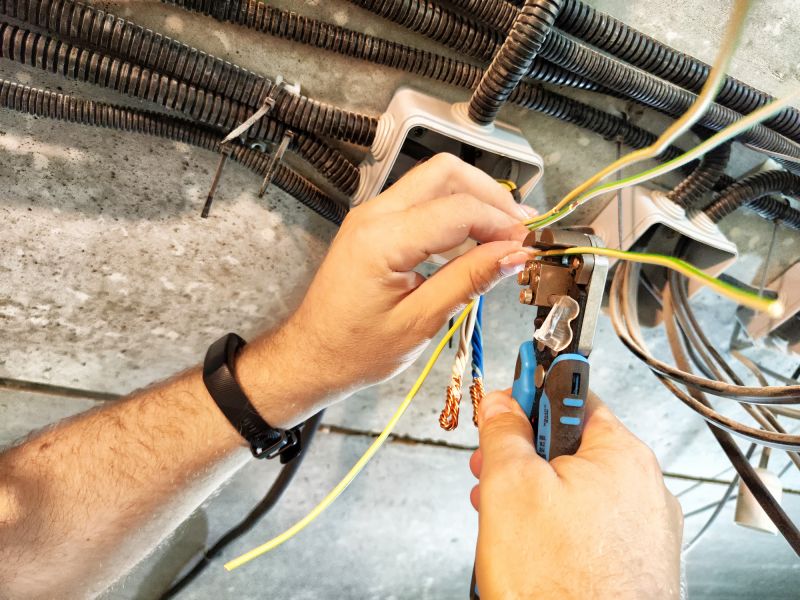
Inspections include detailed checks of wiring for signs of wear, corrosion, or damage that could lead to failure.
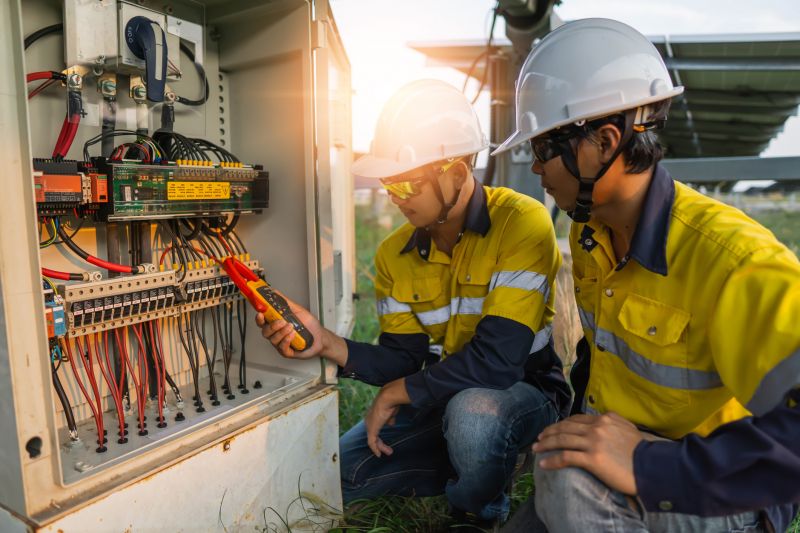
Assessments verify adherence to safety standards, reducing risks of electrical hazards.
Electrical inspections typically take between one to three hours, depending on the size and complexity of the property. A professional conducts a systematic review of all electrical components, including wiring, outlets, switches, and circuit breakers. The process involves visual inspections, testing with specialized equipment, and documentation of findings. This thorough approach ensures that any issues are identified early before they develop into costly repairs or safety hazards.
Advantages of Hiring a Professional for Electric Inspection Service
Engaging a qualified electrical inspector ensures comprehensive evaluations that meet current safety standards. Professionals have the expertise to detect hidden problems, interpret inspection results accurately, and recommend appropriate corrective actions. Their knowledge reduces the likelihood of overlooked issues that could lead to electrical failures or fire risks, providing peace of mind and long-term safety assurance.
Professionals conduct detailed inspections covering all electrical components for safety and performance.
Inspection reports include tailored advice to address potential issues and improve electrical safety.
Ensures electrical systems adhere to all relevant codes and standards, reducing legal and safety risks.
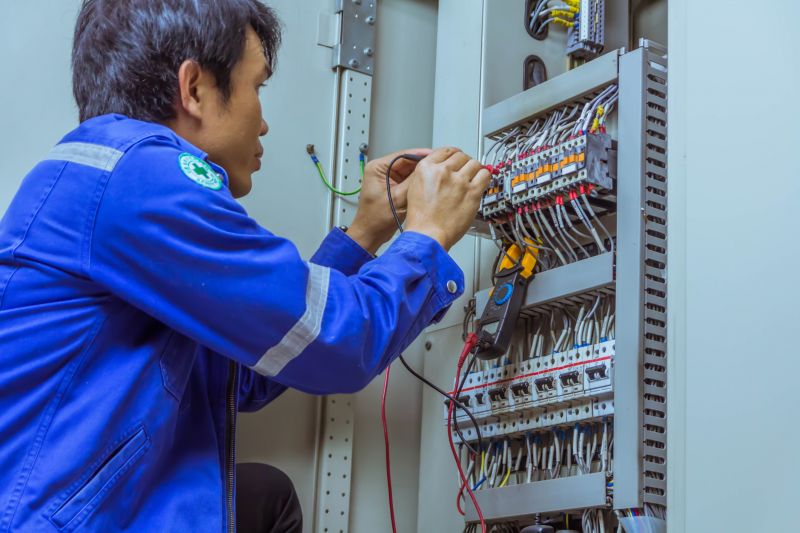
Technicians utilize advanced tools to assess wiring and connections.

Detailed evaluations of complex electrical setups in business environments.
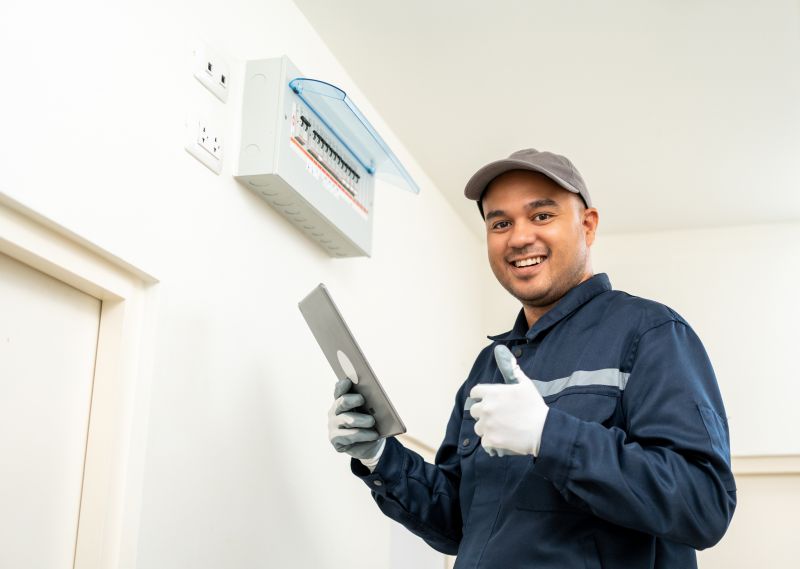
Documented safety checks confirming system compliance and readiness.
Proper electrical inspections can reveal issues such as overloaded circuits, outdated wiring, or faulty connections. Addressing these problems early helps prevent electrical failures and potential fire hazards. Regular inspections are recommended for older buildings, after renovations, or when adding new electrical loads to ensure ongoing safety and reliability.
Encouragement to Contact for a Quote